

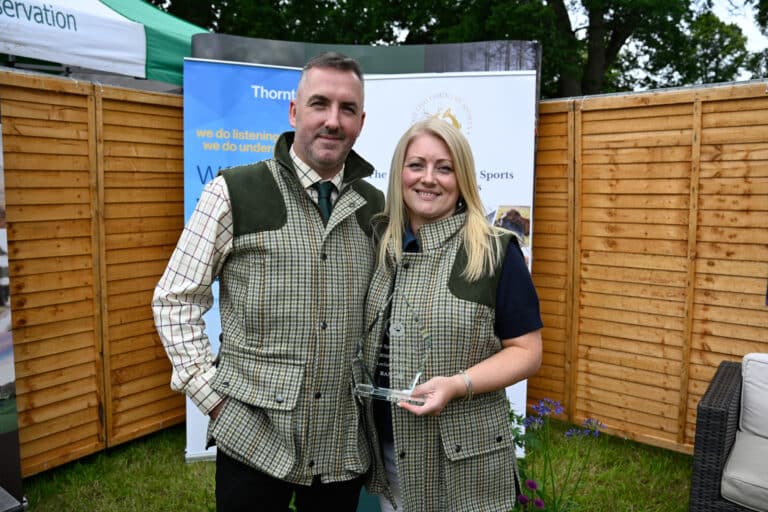
Lochnell Estate was named Best Sporting Estate at the Scottish Country Sports Tourism Awards 2026, recognising the work of the Cochrane family and the wider Lochnell team in developing its sporting offering while maintaining a strong connection to the landscape and local community.
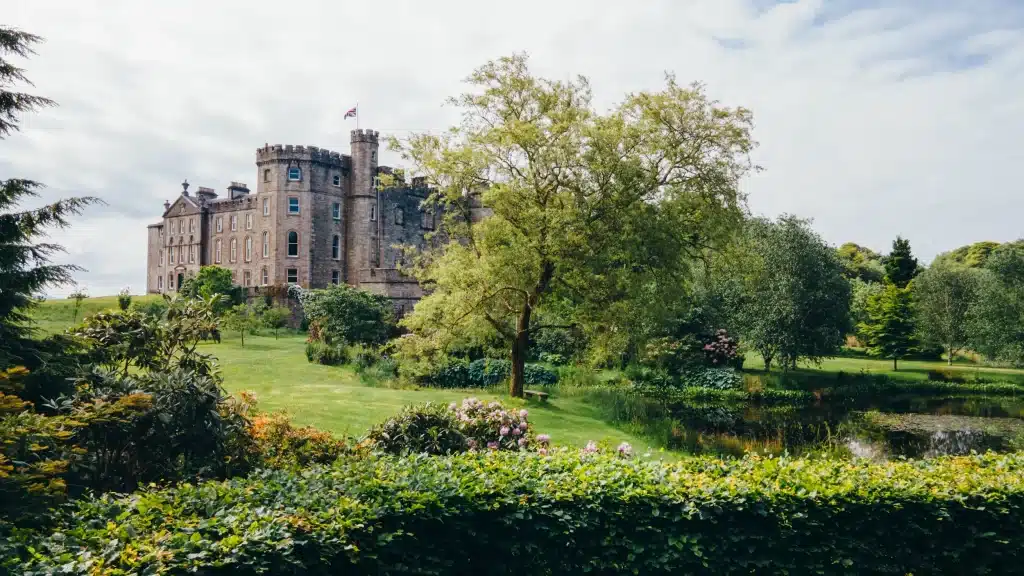
Set around Lochnell Castle on Scotland’s west coast, Lochnell offers driven partridge shooting, red and roe deer stalking and seasonal woodcock shooting, alongside a wider focus on responsible land management, local food, rural employment and opportunities for the next generation.
As part of our winners’ series, we asked Lochnell about what makes the estate special, the people behind it, its approach to land management and conservation, and its vision for the future of country sports tourism.
What do you think makes Lochnell Estate such a special destination for visiting sporting guests, and what can they expect from their time with you?
For me, what makes Lochnell special is that it feels unmistakably West Highland. Set around Lochnell Castle, close to Oban on Scotland’s west coast, the estate offers driven partridge shooting, red and roe deer stalking and seasonal woodcock sport across a spectacular and varied landscape. We’ve worked hard to re-establish the driven partridge shoot. The terrain and West Coast conditions can produce exciting, challenging birds and some very memorable drives.
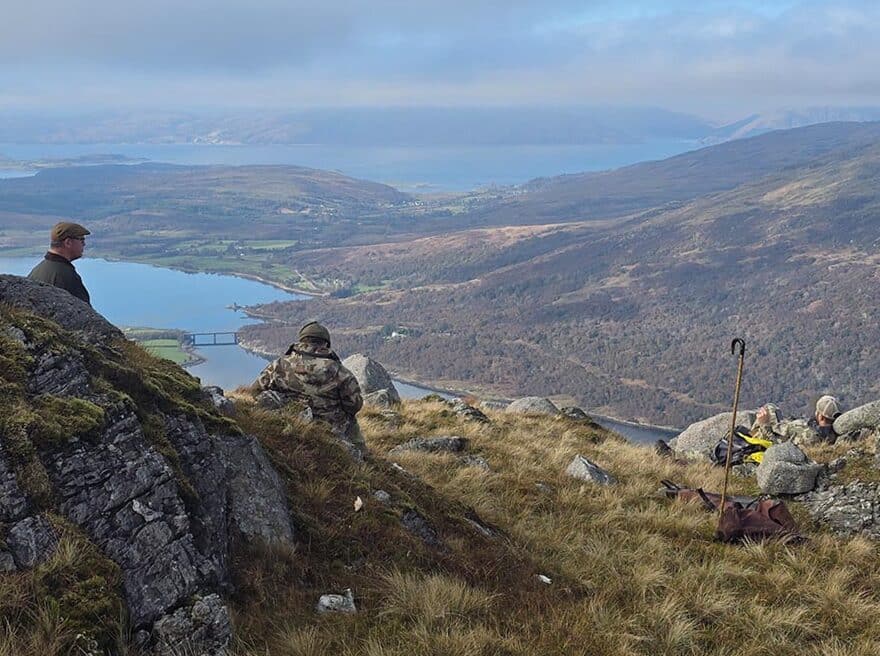
Stalking offers something completely different. Whether someone has stalked for years or is hoping to take their first Highland stag, we want the day to mean more than the final shot. Through Forest Field & Glen, we can also tell the complete hill-to-plate story – responsible deer management, the landscape it supports and the wild venison it produces. But ultimately, Lochnell is about more than the game card. The castle, the scenery, the welcome, elevenses in the field, good hospitality and the people all matter.
We want guests to leave feeling they have experienced a genuine West Highland sporting estate.
How important is the wider estate, its landscape and the people who work here in creating the experience you offer to shooting and stalking guests?
They are fundamental. The experience starts when a guest arrives at Lochnell, not when the first drive or stalk begins. The castle, landscape, habitat, presentation of the estate, sporting infrastructure, accommodation and hospitality all contribute. Much of what makes a great sporting day possible is the work that happens quietly throughout the year. The commitment of the Cochrane family has been central to the development of Lochnell Sporting. Archie in particular has been a driving force behind developing the sporting side and investing in its future.
It is also very much a family effort for us. My wife Amanda and daughter Briana organise the hospitality, while our sons Daniel and Matthew have grown up around the sporting side. Alongside us is a fantastic local team of beaters, pickers-up and others who give Lochnell its character. We also run a local gun club, giving people from the area an affordable opportunity to experience driven shooting. I think that is important. We can welcome sporting guests from much further afield without losing our connection with the people and community around us.
What have you done at Lochnell to balance sporting opportunities with conservation, land management and the long-term health of the estate?
We don’t see sporting management and conservation as things that should have to compete. Done properly, one should support the other. Lochnell lies within Scotland’s Atlantic rainforest zone, so responsible deer management, habitat stewardship and biodiversity are fundamental to looking after this landscape for the long term.
We also want the benefits of that management to stay local. Through Forest Field & Glen, our family-run business, we are able to take that responsible deer management through into the local food chain. Wild venison is processed through our SQWV-approved facilities and supplied locally.
The wider operation supports rural employment, apprenticeships, school visits and practical opportunities for young people. For us, that is what the future of a sporting estate should look like – quality sport supporting good land management, local food, rural livelihoods and a living, working countryside.
Can you tell us about a memorable experience or moment with a sporting guest that really sums up what you are trying to achieve at Lochnell?
There have been many memorable moments over the years, including guiding members of the Cochrane family to their first stags, which has been a real privilege. But the moment that probably sums it up best is one much closer to home. I started my career at Lochnell as a 16-year-old apprentice gamekeeper. I’m now 47 and headkeeper. Both of my sons grew up experiencing the sporting side here, including shooting their first stags and game birds. Daniel has since become a wildlife ranger, while Matthew is now following the apprenticeship route himself.
One day that will always stay with me was Matthew shooting his first partridge at Lochnell with his young Labrador beside him – a dog he had trained himself. The bird fell over water, his dog went out, made the retrieve and brought his first partridge back to him. Standing there years later, watching my own son – now an apprentice himself – with his first partridge and a dog he had trained was a very special moment.
For me, it sums up what Lochnell is about beyond the sport itself – passing on skills, creating opportunities and seeing another generation develop the same connection with the countryside.
Looking ahead, what would you like to see for the future of Lochnell Estate and Scottish country sports tourism more widely?
At Lochnell, we don’t want to become bigger simply for the sake of being bigger. We want to become better. That means continuing to raise standards, investing in the estate, accommodation and infrastructure, improving habitat and developing the links between sporting tourism, local food, education and rural employment.
For Scotland more widely, I think we sometimes underestimate the strength of what we have. Visitors may initially come for the shooting or stalking, but what they remember is often much wider – the landscape, wildlife, food, hospitality, traditions and people.
A sporting guest’s visit also reaches far beyond the day itself. It supports accommodation, local businesses, rural employment and the management of the countryside they have travelled to enjoy. The opportunity for Scottish country sports tourism is to bring all of that together and deliver it exceptionally well. That’s what we want to keep building at Lochnell: respecting the character and traditions of a Highland sporting estate while continuing to raise standards for the future.